
🌟 Physical Therapist Assistant (PTA) Associate Degree: Fast Track to a High-Demand Healthcare Career
Becoming a Physical Therapist Assistant (PTA) in the United States is an excellent way to start a healthcare career without completing a full doctoral program. With a CAPTE-accredited PTA associate degree, you can gain hands-on clinical experience, prepare for the NPTE for PTA licensing exam, and enter a profession in high demand nationwide.
💡 What is a PTA Associate Degree?
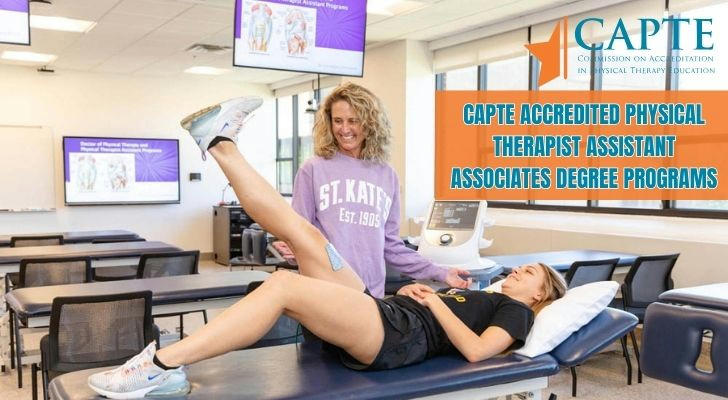
A Physical Therapist Assistant Associate Degree is a 2-year, entry-level program offered at community colleges and technical schools across the U.S. These programs provide a blend of classroom instruction, lab work, and supervised clinical practice, preparing graduates to assist licensed physical therapists in patient care.
CAPTE Accreditation Matters: Choosing a CAPTE-accredited program ensures you are eligible for the national PTA licensing exam (NPTE), required in all 50 states and D.C.
👥 Who Should Consider a PTA Program?
- High school graduates looking to enter healthcare quickly
- Individuals who want hands-on patient care experience
- Those seeking a shorter, affordable path to a healthcare career
- People aiming for a stepping stone to become a full Physical Therapist later
PTA roles are especially suitable for those who want to work directly with patients in rehabilitation, orthopedic, or geriatric care settings.
✅ Program Highlights
- Duration: Approximately 2 years (Full-time or Part-time)
- Degree Awarded: Associate of Applied Science (A.A.S.) in Physical Therapist Assisting
- Format: On-campus, some programs offer hybrid or evening classes
- Clinical Practice: Supervised internships in hospitals, rehab centers, or outpatient clinics
- Accreditation: CAPTE-accredited programs guarantee eligibility for the NPTE for PTA
💰 Career and Salary Outlook
Graduates of PTA programs are in high demand across hospitals, outpatient clinics, nursing homes, and private practices. According to U.S. Bureau of Labor Statistics:
- Median Salary: Around $62,000 per year
- Job Growth: Projected 33% increase from 2020 to 2030, much faster than average
PTAs play a critical role in rehabilitation, helping patients recover from injuries, surgeries, and chronic conditions under the supervision of licensed PTs.
👥 Suitable for Different Age Groups
- 18–25 years old – High school graduates or early college students seeking a fast entry into the healthcare field through a practical associate degree.
- 26–40 years old – Career changers looking for a stable, in-demand healthcare role without committing to a long academic pathway.
- 41+ years old – Adults returning to education who value hands-on work, job stability, and clear licensure outcomes.
The structure and duration of PTA associate degree programs make them accessible to learners at different life stages.
📝 How to Apply
- Apply to CAPTE-accredited programs
- Complete the 2-year program with classroom and clinical training
- Pass the NPTE for PTA to become a licensed PTA
⚠️ Key Takeaways
- PTA programs provide a fast, practical entry into healthcare
- CAPTE accreditation is essential for licensing and employment
- Graduates can work nationwide in multiple clinical settings
- This path is ideal for those without a bachelor’s degree seeking a career in rehabilitation and patient care
🧩 Conclusion
Enrolling in a Physical Therapist Assistant associate degree program is a smart move for anyone looking to start a healthcare career quickly. With hands-on training, CAPTE accreditation, and growing demand for PTAs, it’s a practical and rewarding path — whether your goal is immediate employment or eventually advancing to a full Physical Therapist (DPT) program.