
Hair Braiding Courses with Paid Training | Certified Learning & Career Support
Hair Braiding | Paid Training | Recognized Certification | Government Support
Across the United States, hair braiding stands out as both an artistic and in-demand skill, offering a path to stable employment and creative expression. With growing government support for workforce development in the beauty industry, more people are seeking specialized expertise in natural hair and protective styles. As a result, government-supported hair braiding courses with paid training have emerged—enabling students to earn income as they master braiding techniques and launch rewarding beauty careers.
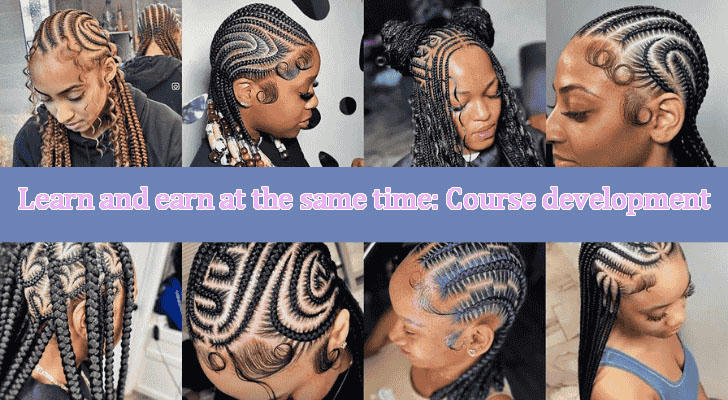
📌 Many paid training programs offer hourly wages ranging from $12–$14 during the hands-on learning phase. For those who advance, expert braiders benefit from higher earnings through commission, tips, and independent styling opportunities.
Why Choose Paid Hair Braiding Courses?
🔹 Immediate Earning While Training
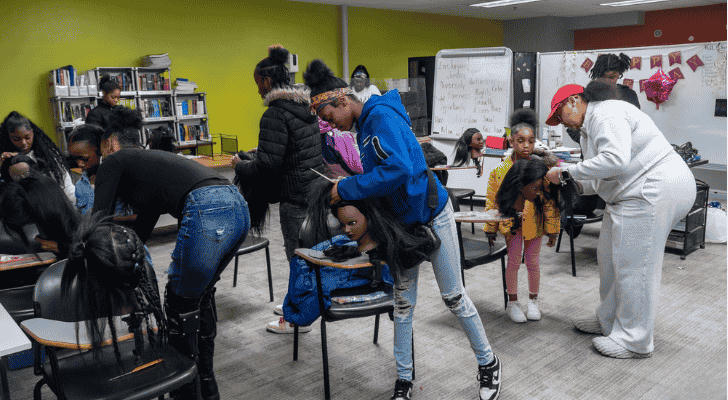
Unlike traditional classroom-only programs, paid braiding apprenticeships allow participants to receive wages as they learn. Practical training in real salon settings means every hour spent building skills also helps cover daily living costs.
🔹 Specialized Skill Development
Leading programs focus on a robust curriculum: students master braiding for all hair textures—including cornrows, box braids, twists, and advanced protective styles. Courses teach not just the latest trends, but also essential techniques in hair and scalp care, business communication, and client consultation.
🔹 Diverse Career Pathways
Upon certification, graduates unlock a range of career options. Many work as professional braiders in salons, become freelance stylists, open their own braiding businesses, or expand into related fields such as cosmetology, hair care education, or salon management.
Key Features of Paid Hair Braiding Courses
💡 Earn While You Learn
On-the-job training provides real-world experience and income. Apprentices work with actual clients under the mentorship of experienced hair professionals, building both confidence and a strong portfolio. (Note: Paid training programs may include minimum service terms and conditions which learners should review.)
💡 Recognized Certification
After completing the required hours and passing the final assessment, students receive an industry-recognized certificate in hair braiding. This credential qualifies graduates to work in salons, spas, or start their own styling services.
💡 Flexible Learning Formats
Programs often offer options for evening, weekend, or distance learning, supporting working adults, caregivers, and those transitioning careers.
💡 Professional Guidance & Placement Support
Many courses include one-on-one mentorship and direct connections to partner salons, helping graduates transition smoothly into employment.
Course Duration & Curriculum
⏳ Duration: Most programs require 1,500–3,000 hours, typically completed within 12–18 months depending on part-time or full-time study.
📚 Core Subjects:
- Hair Braiding Techniques (cornrows, box braids, twists, locs, and more)
- Scalp Care & Hair Health
- Client Consultation & Communication
- Business Skills & Salon Operations
- Sanitation & Health Standards
- Natural Hair Styling and Texture Management
💼 Practical Training:
Paid internships and apprenticeships in professional salons integrate theory and technique with hands-on client work.
✅ Benefits by Age Group
🔹 Ages 18–30: Launch a Career Early
Start earning while learning valuable skills; secure certification for immediate job prospects.
🔹 Ages 31–50: Career Change or Business Start-Up
Access financial support and flexible class times; develop skills to open a business or transition into a stable beauty industry role.
🔹 Ages 50+: Lifelong Learning & Community
Gain new skills, stay engaged, and explore part-time or freelance opportunities for supplemental income.
Enrollment Information
1️⃣ Check Eligibility: Most programs require students to be at least 16 years old, with certification exams available for those 18 and above.
2️⃣ Select a Training Center: Community colleges, vocational schools, and specialty beauty academies offer paid hair braiding apprenticeships across the country.
3️⃣ Gather Required Documents: Prepare ID, proof of eligibility to work, and education credentials (high school diploma or equivalent may be required).
4️⃣ Explore Financial Aid Options: Many programs accept training grants or employer sponsorship to help offset costs.
5️⃣ Begin Training: Complete coursework, on-the-job practice, and pass the program assessment to receive recognized certification.
How to Apply for Paid Hair Braiding Courses
1️⃣ Find an Approved Program Look for paid hair braiding training programs offered by community colleges, vocational schools, or government-supported workforce agencies.
2️⃣ Check Eligibility & Apply Confirm age and work eligibility requirements, then submit an application online or in person. Some programs may include a brief interview or orientation.
3️⃣ Enroll & Start Training Once accepted, complete enrollment, review training and wage details, and begin earning income while learning professional hair braiding skills.
Conclusion
Hair braiding courses with paid training provide a practical way to build expertise, earn income, and achieve professional certification in the thriving beauty industry. Whether for young adults seeking a first career, mid-life professionals pursuing a new path, or older adults looking for creative engagement, these programs offer a foundation for personal growth, financial stability, and lasting success in the field of hair braiding across the United States.
For more information, check out these nonprofit organizations: