
⚡ Electrician Apprenticeship: Paid Training for a Skilled, In-Demand Trade
Earn While You Learn | Government-Recognised Training | Career Pathway with Certification | No Prior Experience Required
The electrical trade remains one of the most essential and high-demand skilled professions, powering homes, businesses, infrastructure, and modern technology. Through registered electrician apprenticeship programs, individuals can enter the field without upfront tuition, gain real paid work experience, and work towards nationally recognized certifications that open the door to stable, well-paid employment.
During the paid training period, hourly wages typically range from $22 to $27 per hour, with increases as apprentices gain experience and progress through the program.
What Is an Electrician Apprenticeship?
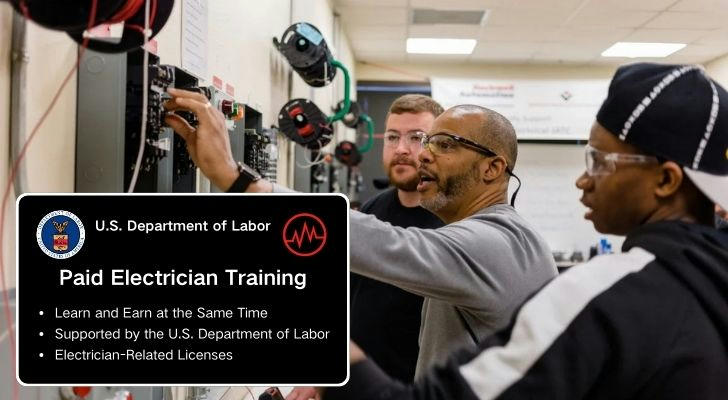
A registered apprenticeship combines paid on-the-job training with structured classroom instruction. Apprentices are employed by electrical contractors and learn under experienced electricians while attending classes that build foundational knowledge and advanced trade skills. Registered programs are vetted and certified, with credentials recognised by the U.S. Department of Labor and state apprenticeship agencies.
Key highlights of apprenticeship programs include:
- Paid employment, with wage increases as skills develop
- Structured practical training under seasoned mentors
- Apprentices only need to pay a small registration fee, miscellaneous fees, or book fees.
- Related classroom instruction to reinforce industry standards
- Upon completion of your studies, you will be helped to obtain relevant qualification certificates.
Why Choose an Apprenticeship in Electrical Work?
Becoming a qualified electrician provides tangible advantages:
Earn While You Learn
Apprentices receive a salary throughout their training. Many programs include regular wage increases as expertise grows.
No Student Loan Burden
Because apprentices are paid for their work, there’s no need to take on large tuition debt.
Industry-Recognised Credential
Upon successful completion of the course, you will be helped to obtain a recognized electrician technician credential.
Strong Job Prospects and Security
Electricians are essential workers across construction, utilities, maintenance, renewable energy, and industrial sectors — roles that offer job security and progression over a long career.
How Apprenticeship Training Works
Most electrical apprenticeship programs are four to five years long. Over this period, apprentices complete:
| Component | What It Involves |
|---|---|
| On-the-Job Training | Paid work under journeyman supervision; typically 8,000+ hours |
| Classroom Instruction | Theory, codes, safety, and applied technical skills |
| Mentorship | learning from experienced electricians |
| Credential | A certificate of completion upon completion |
Training is a mix of hands-on field experience and technical education, preparing apprentices for a full range of electrical tasks and responsibilities.
Who Is This Suitable For?
Electrician apprenticeships are designed for a wide range of people:
- Those entering the workforce with a high school diploma or GED
- Individuals seeking a skilled trade without four-year college tuition
- Career changers pursuing long-term, practical careers
- Adults with interest in construction, technology, or hands-on work
Typically, applicants must:
- Be at least 18 years old
- Have a high school diploma or GED
No prior electrical experience is required, making this a realistic starting point for career launch.
Career Path and Earnings Potential
Upon completing an apprenticeship and obtaining journeyman status, electricians are in high demand across many sectors. Typical opportunities include:
- Residential and commercial electrical installation
- Industrial wiring and maintenance
- Renewable energy and electrical system upgrades
- Estimator, foreman, or project management roles after further experience
Salaries for certified electricians are strong, with many earning well above average wages, with further growth possible through specialisation or union pathways.
👥 Age Groups and How Apprenticeships Fit Different Life Stages
| Age Range | Typical Profile | Why an Electrician Apprenticeship Works |
|---|---|---|
| 18–24 | School leavers or early career entrants | Hands-on training without college debt, early entry into a skilled profession |
| 25–34 | Career builders or trade switchers | Earn income while retraining, strong long-term earning potential |
| 35–44 | Mid-career changers | Practical skills with clear progression and job security |
| 45–54 | Stability-focused workers | Structured learning with predictable wages and demand-driven employment |
| 55+ | Late-career learners | Skill-based work with ongoing demand, opportunities in maintenance and specialty roles |
Apprenticeships focus on skill acquisition rather than academic background, allowing motivated individuals at different life stages to build a sustainable career through paid training and recognised certification.
How to Get Started
- Search for registered electrician apprenticeship openings through Apprenticeship.gov or local workforce partners.
- Prepare documentation such as a diploma or GED and valid ID.
- Apply during open enrollment periods with participating electrical contractors.
- Complete interviews and assessments.
- Begin paid on-the-job training and classroom instruction.
Apprenticeship Benefits at a Glance
- Immediate wages while training
- Structured learning and practical skill development
- Electrical engineering-related certificates
- Stable career with upward mobility
- Strong demand across industries
Best Wishes
Registered electrician apprenticeships offer a practical, well-paid pathway into a highly skilled profession, combining real-world work experience with formal training — all while earning a living and building a long-term career.